
P0455 Code
A P0455 code means the car's computer has spotted a big leak in the fuel vapor system. According to Kelley Blue Book, the fuel filler cap is the most common source, so start there.
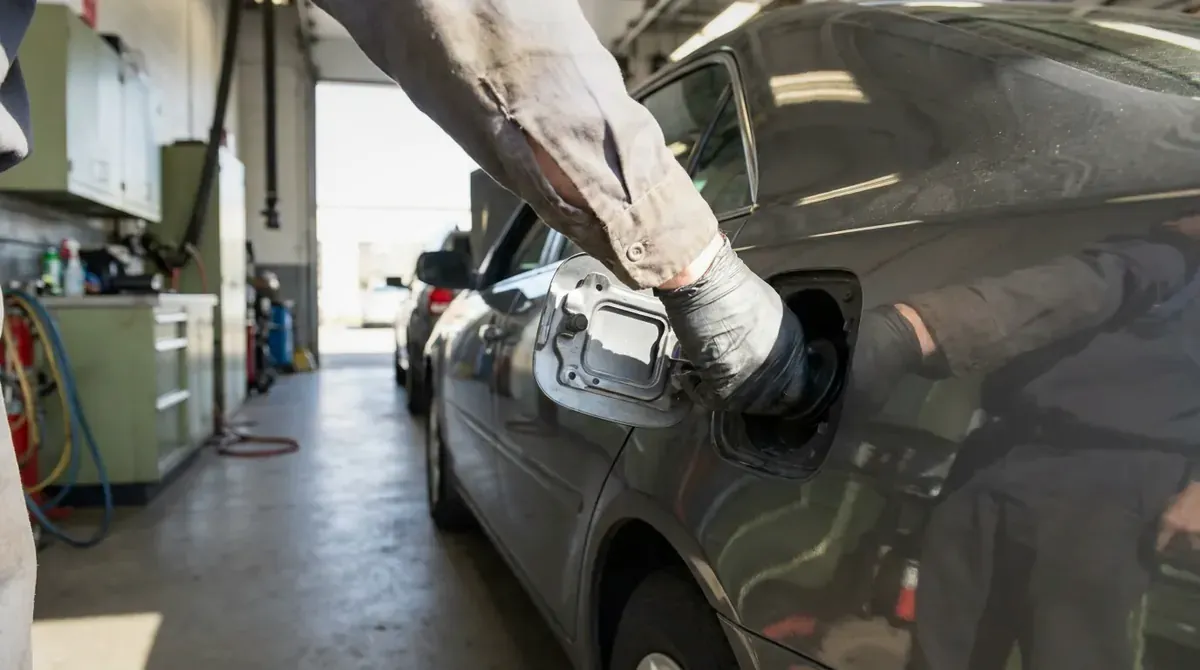
What it means
Gasoline naturally creates vapor, and the car is designed to catch it rather than let it drift into the air. The components that handle this job are known as the EVAP system, short for evaporative emissions. Kelley Blue Book says most versions use five main parts.
The vehicle tests this setup by itself now and then. If it detects a large gap where vapor can get out, it saves P0455 and lights the check-engine warning.
Common causes
Check the gas cap first. After that, AutoZone points to a few likely parts:
- A worn purge valve in the fuel vapor system
- A worn vent valve on the vapor canister
- EVAP hoses with torn or rotten rubber
How to fix it, step by step
The gas cap is the sensible first move because it is the usual culprit.
- Turn the gas cap until it clicks, because a loose cap can let vapor seep out.
- After tightening the cap, drive and watch for the light to go out, since you may not need a new cap.
- If the light remains on, inspect the cap for cracks, since a damaged cap may need to be replaced.
- Check any EVAP hoses you can reach for rubber that is torn or rotten.
- If the cap and hoses seem okay, have a technician check the purge and vent valves.
Kelley Blue Book says most vehicles need the tank between 15% and 85% full for the fuel vapor system's self-test to run.
Do not hunt for the leak by pushing compressed air into the system. AutoZone cautions that added air pressure can crack the vapor canister, turning one repair into two.
Does it fail an emissions test?
Yes, if your state uses an OBD test, where the station plugs into the car's computer. A check engine light that is on fails that test. As of 2026, emissions testing is required in some or all areas of 27 states plus Washington, D.C.
Some states also do a separate gas cap check, and a loose or cracked cap can fail by itself. Louisiana, Maine, Maryland, New York, Colorado, Pennsylvania, and Vermont include one in their test, at least for some cars. Colorado does not allow a waiver for a failed gas cap.
Getting the car ready after the repair
After the leak is repaired and the code is cleared, the vehicle must complete its self checks again. Those checks are called readiness monitors. If the codes were cleared under about 200 miles ago, those monitors usually are not done yet.
Most states use EPA guidance for the number of monitors that may still show not ready on test day.
| Year range | Monitors that may still be incomplete |
|---|---|
| 1996 to 2000 | 2 |
| 2001 and newer | 1 |
California sets its own limit; there, gas cars from 2000 and newer can still pass when the EVAP monitor is the only one incomplete.
Common questions
Can I keep driving?
Yes. Kelley Blue Book says this code does not change how the car drives. It's still worth fixing, since the light will fail an emissions test in states that plug into the car's computer.
What does a repair usually cost?
It depends on the failed part. These figures are published national averages, and a nearby shop may quote higher or lower.
| Repair | Average cost | Source |
|---|---|---|
| Emissions diagnostic fee | $61 to $90 | RepairPal |
| New gas cap | $138 to $150 | RepairPal |
| New EVAP purge valve | $323 to $380 | Kelley Blue Book |
A torn or rotten EVAP hose can also cause P0455, but no average price is listed here for that hose.
When a fresh cap fails to switch the light off, paying for diagnosis beats guessing on a purge valve.
Can filling up trigger it?
It can. Kelley Blue Book notes that filling up the wrong way, or refueling with the engine running, may set this code. Shut the engine off before you pump fuel.