
P0401 Code
A P0401 code means the engine computer has detected too little exhaust gas moving through the EGR system. EGR is exhaust gas recirculation, a setup that sends a bit of exhaust back into the intake so combustion stays cooler. AutoZone describes P0401 as a significant malfunction that needs prompt attention.
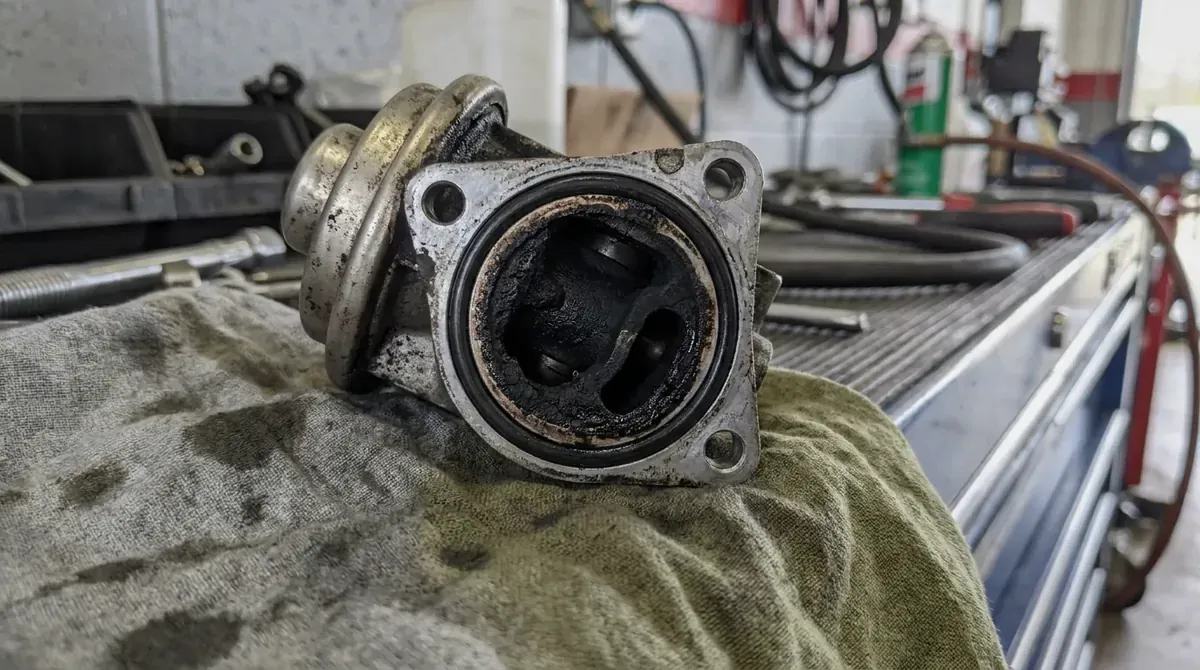
Why the EGR system matters
The code's full name is "insufficient EGR flow," which means not enough exhaust is making it back into the engine to cool combustion.
Without that exhaust, combustion runs hotter and creates extra NOx, which stands for nitrogen oxides. These gases form when the engine burns too hot, and they help create smog. Keeping them down is the whole job of the EGR system.
Signs you may notice
With P0401, many cars drive normally, and the check engine light is the only clue. Even so, the engine is releasing more pollution than it ought to.
When a symptom does appear, it tends to be a pinging or knocking noise. It usually shows up at higher speeds or under heavy load.
Usual causes of low EGR flow
This trouble tends to creep in slowly rather than all at once. The causes shops mention most are:
- Carbon buildup inside the EGR valve that restricts flow
- Carbon blocking the EGR tubes or the intake manifold passages
- A vacuum leak, or lost vacuum supply, that keeps the EGR valve from opening as it should
- A failing DPFE sensor (the pressure sensor that measures EGR flow) or a fault in its wiring
On cars that use it, the DPFE sensor checks how much exhaust is being recirculated. If its reading is too low, the car's computer saves the P0401 code.
Fixing P0401, one step at a time
It is tempting to replace the EGR valve first, but swapping in a new valve sometimes leaves the code still set. Checking the cause before replacing the valve may help you avoid paying for a part that does not solve the problem.
- On cars with a DPFE sensor, start with the sensor and the wiring that runs from it to the engine computer. A Toyota parts site puts this check first.
- Have the vacuum hoses checked for leaks. Even a small leak can stop the EGR valve from opening properly and set P0401.
- Before paying for a new EGR valve, you can ask a repair shop about cleaning carbon from the valve and its tubes, as RepairPal recommends.
- If the other checks pass on a car with a DPFE sensor, the sensor is likely the part to replace.
Repair costs
These are published average costs, and your neighborhood shop might price the work higher or lower.
| Job | Typical price | Where the figure comes from |
|---|---|---|
| Emissions system diagnosis | $61–$90 | RepairPal |
| Replacing a cracked vacuum hose | $100–$250 | Irish Mike's Automotive |
| Replacing the EGR valve | $489–$632 | RepairPal |
Can you still drive with P0401?
You can keep driving with P0401, but it's best not to put the repair off. The engine is polluting more than it should, and the problem can lead to pinging or knocking when you're working the engine hard.
Questions drivers ask
Can a P0401 code cause my car to fail an emissions test?
Yes, in states that rely on an OBD test. An OBD test is a plug-in emissions test, and if the check engine light is on with a code saved, the car fails. So the problem has to be fixed first.
Can I clear the code right before the test?
When you clear the code, the car's self-tests also reset, so the car may not be ready to be tested. When the codes were cleared fewer than about 200 miles ago, the self-tests typically have not finished. Most states permit one incomplete self-test on a 2001 or newer vehicle, and two on a 1996 to 2000 vehicle. And if the EGR fault is still present, the light will simply return.
Does P0401 mean something else on a Ford, Toyota, Honda, or Chevy?
It does not. P0401 has the same meaning across makes: too little exhaust gas is flowing back through the EGR system. The exact parts and their locations vary from engine to engine. One Chevy dealer points to the same usual suspects: carbon buildup, an EGR valve that is partly blocked, or a vacuum or electronic control fault.